Communicating effectively in English has become essential in today’s global world. Whether for career growth, education, or social interactions, mastering English can open countless doors. Many people struggle with speaking confidently, understanding native speakers, or expressing ideas clearly. This guide will help you improve English communication skills using practical, actionable methods that can be implemented daily.
Practice Speaking Daily
One of the most effective ways to improve English communication skills is by speaking every day. Even short daily conversations can make a huge difference over time. You can start with simple self-talk, describing your daily activities in English.
Tip: Record yourself speaking and listen to your pronunciation. This helps identify mistakes and boosts confidence.
Transactional touch: Join online speaking platforms or hire a personal tutor to get real-time feedback.
Expand Your Vocabulary
A strong vocabulary allows you to express ideas clearly. Reading books, articles, and online content exposes you to new words. Learning synonyms and idioms also makes your speech sound more natural.
Tip: Maintain a vocabulary journal. Write down new words and practice them in sentences.
Transactional touch: Enroll in a vocabulary-building course or use apps like Duolingo or Memrise.
Listen to Native Speakers
Listening improves comprehension and helps imitate natural speech patterns. Podcasts, audiobooks, and YouTube channels in English are great resources. Listening regularly helps you understand accents, tone, and informal expressions.
Tip: Repeat phrases after native speakers to practice intonation and rhythm.
Transactional touch: Subscribe to English learning podcasts or join listening workshops.
Read Books and Articles
Reading is a powerful tool for improving grammar, sentence structure, and vocabulary. Choose materials that interest you, from novels to news articles. Regular reading enhances comprehension and provides examples of proper English usage.
Tip: Highlight phrases that you find useful and practice using them in conversations.
Transactional touch: Purchase English learning e-books or subscribe to premium online reading platforms.
Watch English Movies & Shows
Watching movies or shows in English combines learning with entertainment. It improves listening, pronunciation, and cultural understanding. Use subtitles initially and gradually try to watch without them.
Tip: Note down useful phrases or expressions and use them in your daily conversations.
Transactional touch: Join streaming services offering educational content with interactive learning features.
Join Conversation Groups
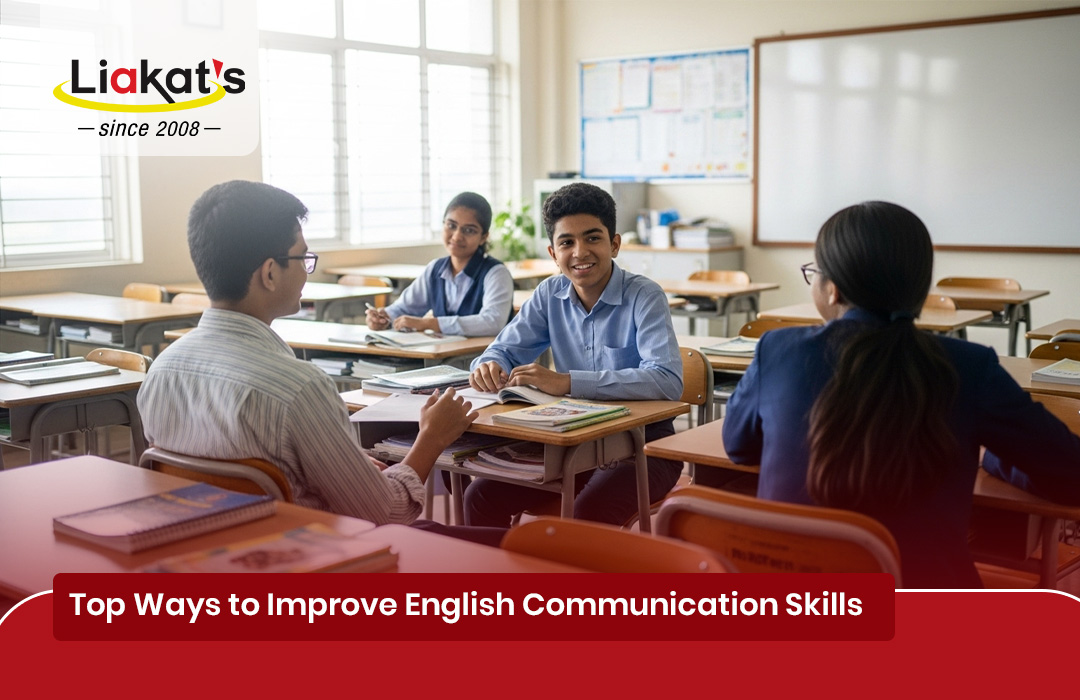
Practicing with others is crucial for confidence. Conversation groups, both online and offline, provide real-life scenarios to apply your English skills. This method also encourages social interaction and networking.
Tip: Participate actively, even if you make mistakes. Feedback from peers is invaluable.
Transactional touch: Register in English speaking clubs or online language exchange platforms.
Write Regularly in English
Writing strengthens grammar, vocabulary, and sentence structure. Start with journals, blogs, or short essays. Consistent practice improves your ability to communicate ideas effectively.
Tip: Share your writings online or with friends for constructive feedback.
Transactional touch: Take online writing courses or join professional writing communities.
Focus on Pronunciation
Clear pronunciation ensures that others understand you easily. Practice vowel and consonant sounds, stress patterns, and intonation. Record your voice and compare it with native speakers for improvement.
Tip: Use online pronunciation tools like Forvo or ELSA Speak.
Transactional touch: Consider hiring a pronunciation coach for one-on-one guidance.
Learn from Feedback
Feedback is essential for improvement. Constructive criticism highlights areas that need attention, such as grammar, vocabulary, or fluency.
Tip: Accept feedback positively and implement it immediately in your practice sessions.
Transactional touch: Participate in English workshops that provide personalized feedback from experts.
Conclusion
Improving English communication skills requires consistent effort, practice, and the right resources. By incorporating speaking, listening, reading, writing, and feedback into your daily routine, you can achieve fluency and confidence. Start small, stay consistent, and gradually expand your skills to become an effective communicator in English.
Frequently Asked Questions (FAQs)
How long does it take to improve English communication skills?
With daily practice and dedication, noticeable improvement can be seen in 3–6 months.
Can watching movies really help improve English?
Yes, movies help with listening, pronunciation, and understanding natural conversation.
Are online courses effective for improving English?
Absolutely. Online courses provide structured learning, practice exercises, and expert feedback.
How can I practice speaking if I’m alone?
Self-talk, recording your voice, and repeating phrases from videos or podcasts are effective methods.
Is grammar important for communication?
Yes, grammar helps convey your message clearly, but focus more on fluency and comprehension initially.
Can joining conversation groups boost confidence?
Definitely. Interacting with others provides real-life practice and helps reduce speaking anxiety.